
Blog
DBH dimensions: how to identify the code from the part and what data to send for a quote
If you have a DBH seal and need to replace it, the first step is to identify the correct code. In this guide we show you how to read the dimensions marked on the part and what information you should send us to get a quote.
Technical team at MR Accesorios Industriales · Updated on November 2, 2026
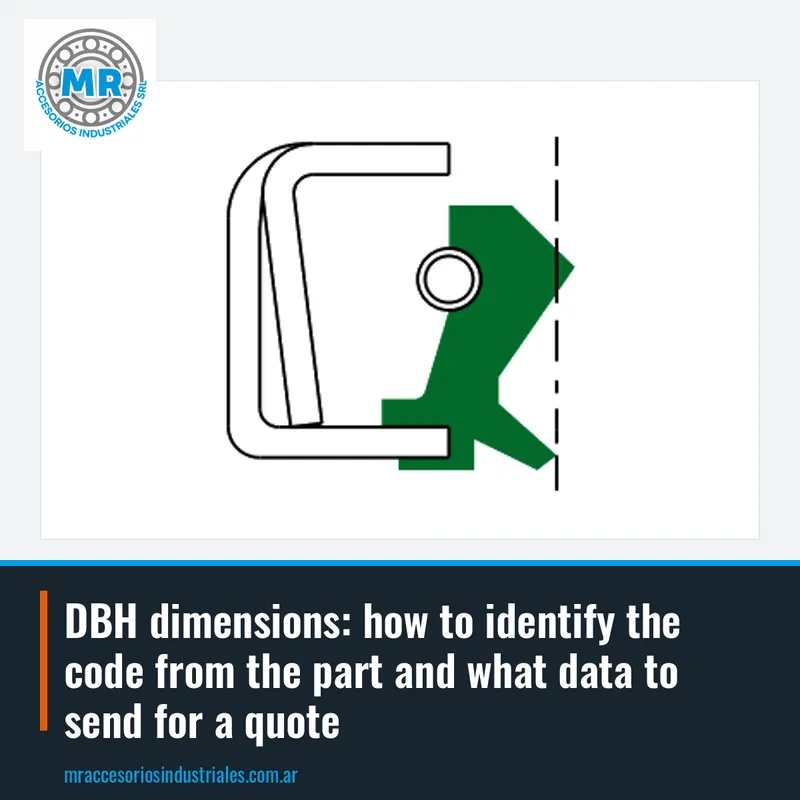
What a radial seal is and why it is key to identify it correctly
A radial seal is a seal that prevents lubricant leakage and the ingress of contaminants on rotating shafts. In Argentine industry it is used in pumps, motors, gearboxes and all equipment with rotating movement. Choosing the correct seal depends on three main dimensions: inner diameter, outer diameter and width. An error of a few millimeters can cause leaks or premature wear.
DBH seals are identified by a catalog code. For example, a 5999 seal corresponds to a specific reference within the catalog. If the part is very deteriorated, sometimes the code is erased and the housing and shaft must be measured with a caliper.
To quote a DBH seal, it is best to send the complete code if it is visible, or the three dimensions if it is not. A photo of the part and of the place where it is mounted also helps. With that data we can confirm the exact reference and offer you the right replacement. Avoid asking only by brand or by equipment, because the same model can use several different seals.
How to read the dimensions marked on a DBH seal
A seal is defined by three dimensions, always in this order: inner diameter, outer diameter and width. The catalog code, such as 8888, identifies a specific reference, and it is best to confirm it by measuring the part. If the seal is in inches, the dimensions may be in fractions or decimals. It is always best to verify with a caliper if you have doubts.
When the code is illegible, measure the shaft diameter where the lip rests, the housing diameter where the seal fits and the total width of the part. Write down those dimensions in millimeters as precisely as possible. A front and side photo also helps to recognize the lip type, whether it has a spring or whether it is double. Those details influence the selection of the replacement.
A common mistake is to confuse the outer diameter of the seal with that of the housing. The seal is usually slightly larger to fit with interference. You should not rely only on the shaft dimension either, because the width and outer diameter vary according to the design. If you have the old seal, even if damaged, it is the best reference to identify the correct DBH code.
Where to find the DBH code on the part
The DBH code may appear on the outer face of the seal, engraved or printed. If the part is mounted, sometimes it must be removed to see it. With the seal in hand, clean the surface with a dry cloth and look for numbers or letters. A magnifying glass helps when the engraving is small.
Sometimes the part has more than one number or letters next to the code. For example, for an 8969 seal it is best to write down everything that appears. If you find only loose numbers, write them all down and send us a photo. We help you interpret the code and confirm the exact DBH catalog reference.
If the seal is broken or very worn, you can look for the code in the equipment manual or on the identification plate. Many machines list the seals as recommended spare parts. With that information we can cross-reference data and offer you the correct DBH seal.
What data you should send to quote a DBH seal
To quote a DBH seal, the most useful thing is the complete code engraved on the part. If you do not have it, send the three dimensions in millimeters: inner diameter, outer diameter and width. Also indicate whether the seal works with oil, grease or dry, and whether it is exposed to dust or water. Those data define the lip type and the material.
A clear photo of the old seal, front and side, allows us to see the lip design, whether it has a spring and the type of casing. If you can, include a photo of the place where it is mounted. With that we identify whether it is a standard seal or a special one. You do not need to disassemble the whole equipment: with the part in hand it is enough.
Avoid asking only by the equipment brand or by the machine model. The same equipment can use several different seals depending on the year or version. It is also not advisable to send only one dimension, because the seal is defined by all three. The more data you send us, the faster we confirm the exact DBH code and give you the quote.
Common mistakes when identifying or ordering a DBH seal
One of the most frequent mistakes is measuring the old seal when it is already deformed. A seal that has worked for a long time may be ovalized or have a worn lip. It is always best to measure the shaft and the housing, not the used seal. If you only have the seal, take several measurements at different points and use the average. That way you avoid ordering an incorrect dimension.
Another mistake is confusing millimeters with inches. Some DBH seals come in imperial dimensions and others in metric. If the code is not clear, measure with a caliper and convert the units carefully. A 25.4 mm seal is not the same as a 25 mm one. That difference can prevent the seal from sealing properly and cause lubricant leakage.
It is also common to order the seal only by the shaft diameter. The outer diameter and width are just as important. A 30 mm shaft can have seals with 47, 52 or 62 mm outer diameter, depending on the housing. That is why we always ask for the three dimensions or the complete code. With that we ensure the correct replacement the first time.
How to confirm the dimension with the seal mounted
If the seal is mounted and you cannot remove it, you can measure the shaft with a caliper in the area where the lip rests. For the outer diameter, measure the housing where the seal is inserted. The width can be estimated by measuring the depth of the housing. With those three approximate dimensions we can already look for the corresponding DBH seal.
In some cases the seal is hidden behind a cover or a bearing. If you cannot access it, look for the code in the manufacturer's manual or in the equipment parts breakdown. Many times the seal part number appears in the spare parts list. You can also consult the machine manufacturer, although it is usually slower.
Once you have the dimensions or the code, send us a photo of the mounting location. That helps us confirm the seal type: whether it is single or double lip, with or without spring, and the appropriate material. With that information we quote the exact DBH seal for your application.
How we quote DBH seals at MR
A seal must match the one it replaces in inner diameter, outer diameter, width and lip type. Minimal differences in the lip or spring can cause leaks, and in critical equipment that means unplanned stoppages. That is why it is best to identify the reference well before ordering.
We supply DBH seals for pumps, motors, gearboxes and other equipment. We work with the original catalog codes, so if you send us the code engraved on your seal, we confirm the exact reference.
If you are not sure of the code, do not worry: with the dimensions and a photo we can identify it. We quote the correct DBH seal and reply promptly. Avoid improvising with seals of approximate dimensions, because the cost of a leak far exceeds the value of the correct replacement. Contact us by WhatsApp or email and we will help you.
Frequently asked questions
How do I know what DBH seal dimension I need?
Measure the inner diameter (shaft), the outer diameter (housing) and the width of the old seal or of the available space. If the engraved code is visible, use it directly. With that data we confirm the exact reference.
Where is the code engraved on a DBH seal?
Generally on the outer face of the part, engraved or printed. If you do not see it, clean the surface and use a magnifying glass. If it is illegible, measure the three dimensions and send us a photo.
Can I order a DBH seal with only the shaft diameter?
No, because the outer diameter and width also define the seal. The same shaft can use several seals depending on the housing. It is always best to send the three dimensions or the complete code.
What do I do if the DBH seal is very damaged and the code cannot be read?
Measure the shaft and the housing with a caliper, and take photos of the seal and the mounting location. With that we can identify the seal type and offer you the correct replacement.
Do DBH seals come in metric and inch dimensions?
Dimensions may be in millimeters or inches depending on the equipment. If the code is not clear, measure with a caliper and convert the units carefully. A conversion error can prevent the seal from fitting properly.
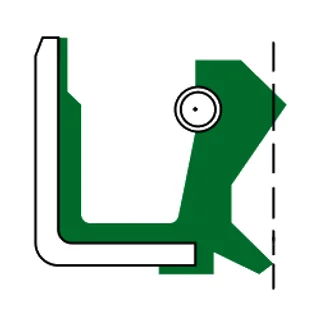
Products with photos in the catalogue
Keep reading
- DBH seals in Argentina: complete product guide and how to quote them
Discover the DBH radial seal line we distribute in Argentina, their typical applications and how to request a quote with the exact code.
- DBH Codes: Guide to Reading Radial Seal Designations
Understanding DBH seal nomenclature helps you order the correct part. We explain the code structure, what prefixes and suffixes indicate, and how to use real examples for your inquiry.
- DBH Oil Seals: Applications, Selection, Installation and Maintenance for Long Life
DBH radial oil seals are critical components in industrial equipment. In this guide, we cover where they are used, how to choose the right model, and what installation and maintenance care extends their service life.
Continue here
Need a DBH quote?
Send us the DBH part number, the size or a photo of the part and we will get back to you with a quote.