
Blog
Link-Belt mounting and dismounting: tools, steps and common errors that shorten service life
Learn to mount and dismount Link-Belt bearings safely. We review tools, fits, key steps and errors to avoid.
LINK-BELT catalog by part number
Technical team at MR Accesorios Industriales · Updated on October 24, 2026
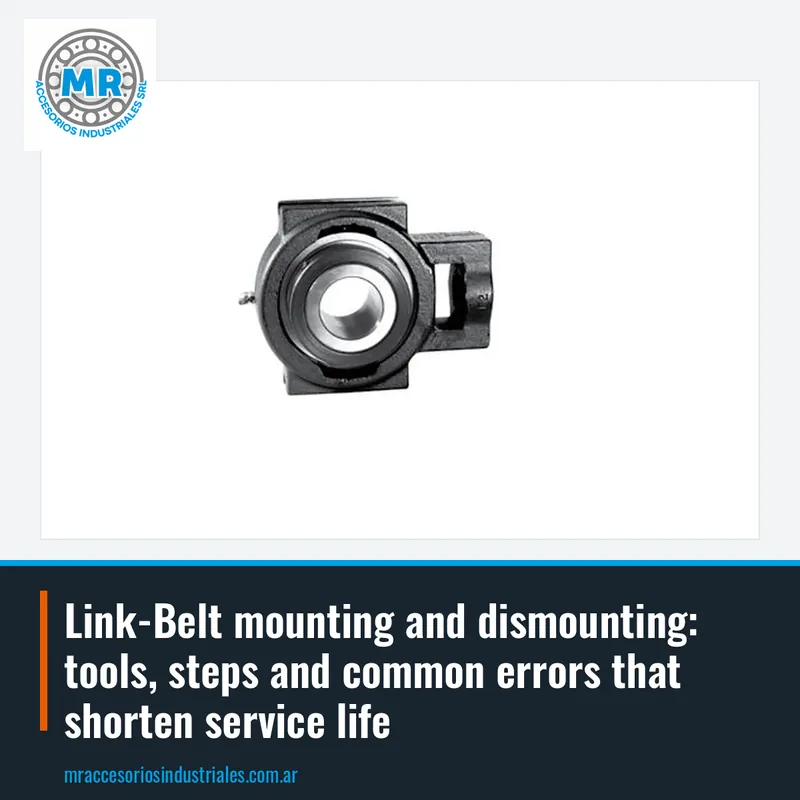
Why correct mounting matters on Link-Belt
Link-Belt mounting and dismounting is a task that defines bearing service life. A poor procedure can damage raceways, cages or seals and cause premature failures. That is why it is best to follow an orderly sequence and use the right tools. In this guide we review the key points for each type of Link-Belt bearing.
Precision bearings require careful handling. Direct impacts, excessive heating or misalignment can ruin a new part. Although it may seem simple, mounting requires method and attention to detail. A good procedure avoids unnecessary plant downtime.
In Argentine industry, these bearings are used in conveyors, fans and pumps. Each application has its particular load, speed and environment conditions. That is why mounting must be adapted to the bearing type and working conditions. We stock Link-Belt bearings and help you choose the right one for your equipment.
Basic tools for mounting and dismounting
To mount and dismount Link-Belt you need tools that apply force evenly. Mechanical or hydraulic pullers are the most recommended for dismounting. For mounting, sleeves, mounting plates or presses are used. Never use hammers directly on the bearing.
An induction heater is ideal for mounting bearings with interference fit. It heats the inner ring in a controlled way and without open flame. An oil bath can also be used, but it requires more care with temperature. Heating must be even to avoid deformation.
In addition to the main tools, it is advisable to have gloves, clean cloths and a caliper to verify measurements. An infrared thermometer helps control the heating temperature. Cleaning the shaft and housing is essential before starting. We distribute Link-Belt bearings: send us the code, the size or a photo and we will quote you.
Mounting Link-Belt Y insert bearings
Link-Belt Y insert bearings, such as ER20, ER22 or ER40, are mounted on shafts with sliding fit or with set screws. First verify that the shaft is clean and free of burrs. Slide the bearing into position and tighten the locking screws evenly. Do not apply force to the outer ring.
If the bearing has an eccentric locking collar, follow the manufacturer's procedure. Turn the collar in the direction of shaft rotation and then lock it with the screw. An uneven fit can offset the bearing and generate vibration. Verify that the bearing rotates freely after mounting.
In Y housings with insert bearing, such as TU320, TU322 or TU323, mounting is similar. Make sure the housing is well aligned with the shaft. Angular misalignment reduces bearing service life. We stock these assemblies and quote the code you need.
Mounting Link-Belt spherical roller bearings
Link-Belt spherical roller bearings, such as B635L, B419L or B455L, allow misalignment but require careful mounting. They are mounted with interference fit on the shaft, so it is usually necessary to heat the bearing. Heat the inner ring to a moderate, controlled temperature. Then slide it up to the shaft shoulder.
Never heat the bearing with a direct torch. Localized heat can change the hardness of the steel. Use an induction heater or an oil bath with a thermometer. After mounting, let the bearing cool before applying load.
Verify that the bearing is well seated against the shaft shoulder. If you use an adapter sleeve, tighten the nut gradually. Excessive tightening can reduce internal clearance and cause overheating. We distribute Link-Belt spherical roller bearings and help you define the correct fit.
Mounting Link-Belt cylindrical roller bearings
Link-Belt cylindrical roller bearings are used in applications with radial load. They usually have a separable inner or outer ring, which makes mounting easier. First mount the ring with interference fit and then the roller assembly. Never force the rollers against the flanges.
In these bearings, the cage and rollers form an assembly that can be damaged by impacts. Use a mounting sleeve that bears only on the ring being mounted. If the fit is very tight, heat the inner ring evenly. Verify that the rollers rotate without sticking.
Dismounting cylindrical roller bearings requires pullers that grip the inner or outer ring as appropriate. Do not apply force to the cage. If the bearing is to be reused, mark it so it can be mounted in the same position. We stock Link-Belt cylindrical roller bearings and quote the code you need.
Mounting Link-Belt housings
Link-Belt housings, such as PA344, 68564 or PA327, are mounted on flat, rigid surfaces. First verify that the base is level and free of paint or dirt. Use washers and screws of the appropriate grade to secure the housing. A poorly secured housing transmits vibration to the bearing.
When mounting the housing, make sure the center of the housing coincides with the shaft. Misalignment between housings generates additional loads. If you use several housings in line, align them with a wire or a laser. After securing, turn the shaft by hand to check that there are no hard spots.
Each time you dismount, take the opportunity to inspect the condition of the bearing and the seal. If the bearing is damaged, replace it with a new one of the same code. We distribute Link-Belt housings and quote the code you need.
Common errors that shorten service life
One of the most frequent errors when mounting and dismounting Link-Belt is striking the bearing. Direct impacts mark the raceways and generate noise and vibration. Another error is overheating the bearing, which can temper the steel. It is also common not to clean the shaft well before mounting.
Misalignment between housings or between the motor and the machine is another cause of failure. A misaligned bearing works with uneven loads and wears faster. Excessive tightening of the locking screws can also deform the inner ring. Always use the tightening torques recommended by the manufacturer.
Not checking internal clearance after mounting is a common error. Inadequate clearance can cause overheating or excessive play. We stock Link-Belt bearings and help you avoid these errors.
Frequently asked questions
What tools do I need to dismount a Link-Belt bearing?
To dismount a Link-Belt bearing, it is recommended to use mechanical or hydraulic pullers that apply force evenly. Avoid hammers and direct impacts. If the bearing is very tight, it may be necessary to heat the inner ring in a controlled way.
Can I heat a Link-Belt bearing with a torch?
Using a direct torch is not recommended because localized heat can alter the hardness of the steel. Ideally, use an induction heater or an oil bath with temperature control. Heating must be uniform and must not exceed the manufacturer's limits.
How do I mount a Link-Belt Y insert bearing?
The Y insert bearing slides onto the clean shaft and is secured with set screws or an eccentric collar. Tighten the screws evenly and verify that the bearing rotates freely. Do not apply force to the outer ring.
What should I do if the Link-Belt bearing is too tight on the shaft?
If the fit is interference, heat the inner ring evenly to expand it and facilitate mounting. Use an induction heater or oil bath. Never force the bearing with impacts.
Where can I get Link-Belt bearings in Argentina?
At MR Accesorios Industriales we stock and distribute Link-Belt bearings. You can send us the code or a photo of the part by WhatsApp or email and we will quote you promptly.
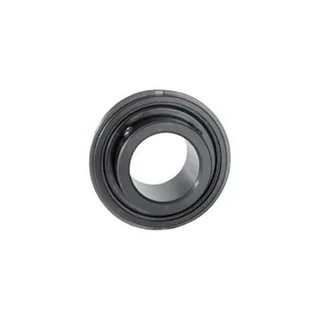
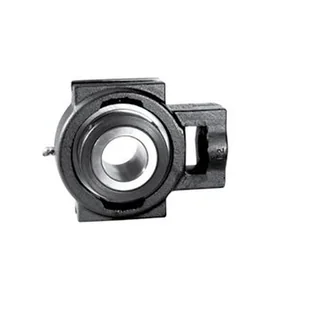
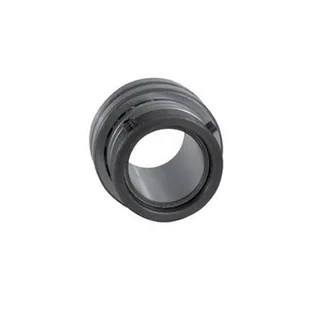
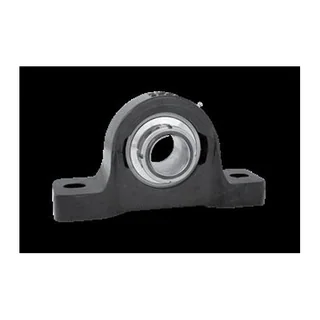
Products with photos in the catalogue
Keep reading
- Link-Belt Split Housings: Efficient Solutions for Demanding Industrial Applications
Discover the Link-Belt line of split housings and mounted bearings, designed to withstand heavy loads and adverse conditions in Argentine industry. We quote the exact model you need.
- How to read Link-Belt codes: designation structure, prefixes, suffixes and real examples
Practical guide to interpreting the nomenclature of Link-Belt housings and bearings. Understand what each part of the code indicates and get a quote for the correct part.
- Link-Belt by industry: where it is used, how to select it, mounting and maintenance to make it last
We tell you in which industries Link-Belt housings and bearings are used, how to choose the correct model and what mounting and maintenance care extends their service life.
Continue here
Need a quote?
Send us the code, size or a photo of the part and we'll quote you shortly.