
Blog
Dodge: how to choose by application, load, speed, environment and mounting
Guide to selecting Dodge components according to working conditions. Includes real catalog codes and application criteria.
DODGE bearings in Argentina: guide and quotes
Technical team at MR Accesorios Industriales · Updated on October 18, 2026
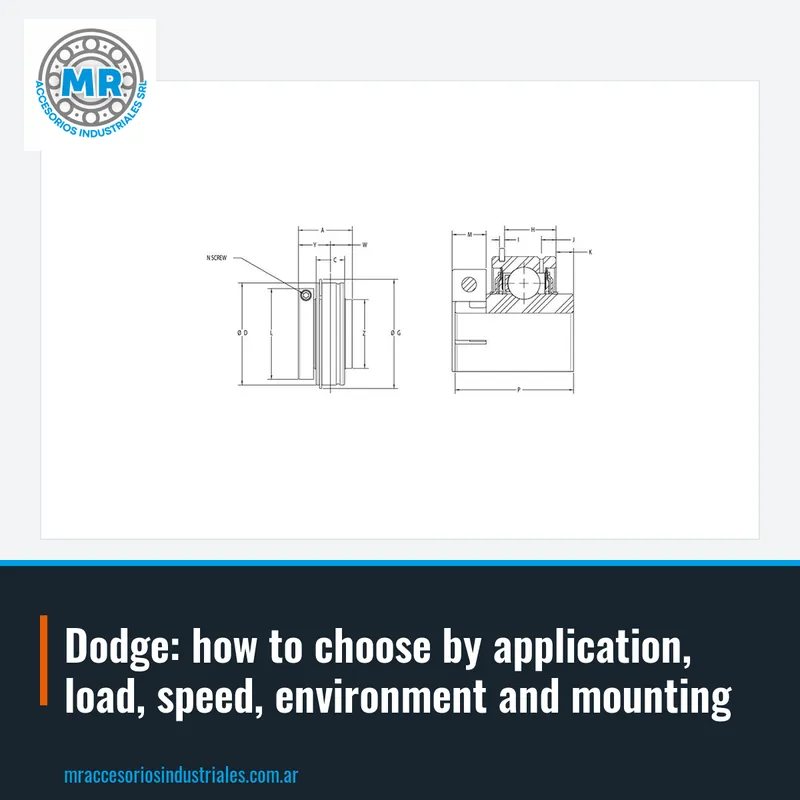
Dodge Y-bearings (inserts): when to use them
Y-bearings, also known as inserts, are ball bearings with a spherical outer ring that fits into a housing. This geometry allows the assembly to self-align and compensate for slight shaft misalignment. In agricultural, material handling and conveyor applications, they are a practical solution for simple mountings.
When choosing a Dodge insert, consider the shaft diameter and the type of fixing. Codes such as INS-ER-DL-30M or INS-ER-SC-100 identify specific models with particular seal and fixing characteristics. The fixing type can be with an eccentric collar or with a set screw, depending on the insert design, but it is always advisable to check the technical data sheet.
To get a quote, the most useful thing is to send the complete code engraved on the bearing or, if it is not legible, the shaft and housing dimensions. A common mistake is to ask only by the inch size without specifying the seal or fixing type, which can lead to an insert that does not lock correctly. At MR we supply these inserts and help you identify the exact reference.
Y-housings with insert bearing: mounting and environment
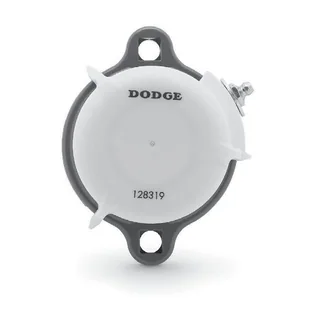
Y-housings with insert bearing combine the insert with a cast iron or sheet metal housing that is fixed to the structure. They are ideal for transmission shafts in conveyor belts, bucket elevators and agricultural machinery. The choice of housing depends on the type of floor, the mounting position and the expected radial and axial loads.
In the Dodge catalog there are references such as 130362, 124602 or 124643, which correspond to complete housings with insert. The number identifies a specific housing and bearing configuration, so it is important to copy it exactly. If the housing is very deteriorated, you can measure the distance between the centers of the fixing holes and the shaft diameter.
A frequent mistake is to mount the housing on an irregular surface, which generates point loads and premature failure. You must also verify that the insert seal is suitable for the environment: in areas with dust or humidity, a contact seal is advisable. We distribute these housings and can indicate the correct variant for your application.
Dodge housings: the base for a stable transmission
Dodge housings without insert are casings used to mount separate bearings or as a replacement for a damaged unit. They are made of cast iron, steel or thermoplastic materials, and their design defines the method of fixing to the frame. In continuous production lines, a rigid and well-aligned housing prevents vibrations and premature wear.
When selecting a housing, you need to know the type of bearing it will house and the mounting orientation: pillow block, flange or take-up. The Dodge nomenclature usually includes letters and numbers that indicate the series and size, but it is not always intuitive. Therefore, if you have the old housing, it is advisable to clean the engraved area and send a photo.
At MR we sell Dodge housings and quote you the exact replacement. You do not need to know the complete designation: the part code or the main dimensions are enough to identify the alternative. Remember that a poorly chosen housing can compromise the service life of the bearing, even if it is of good quality.
Dodge pulleys: selection by diameter and groove
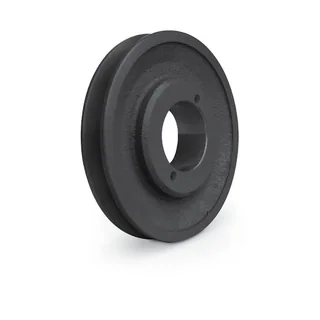
Dodge pulleys transmit power between shafts using V-belts or synchronous belts. They are chosen according to the pitch diameter, the number and type of grooves, and the bushing for fixing to the shaft. In applications such as pumps, compressors and fans, a well-sized pulley ensures the desired speed ratio and reduces slippage.
Example codes MA98, MA24 and MA60 correspond to pulleys from the Dodge line. To avoid confusion, the best is to measure the outside diameter, count the grooves and verify the bushing type: tapered, with screw or quick-detachable.
A common mistake is to replace a worn pulley with another of the same outside diameter but different groove profile, which damages the belt. You must also check the alignment between pulleys: misalignment shortens belt life. We sell Dodge pulleys and advise you on the correct selection.
Dodge reducers: how to choose the right reduction
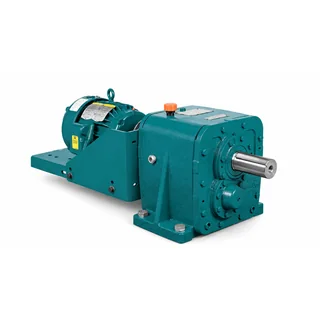
Dodge reducers are used to reduce motor speed and increase output torque. Selection requires knowing the motor power, input speed and desired output speed. The type of load (constant, shock) and the duty cycle also influence, because they define the service factor.
In the Maxum XTR line, codes such as Maxum XTR 70, Maxum XTR 60 or Maxum XTR 80 correspond to different housing sizes. To get a quote, you must indicate the complete nameplate code, the reduction ratio, the mounting position and the type of output shaft.
A common mistake is to choose a reducer only by the reduction ratio without considering the output torque. If the required torque exceeds the reducer capacity, premature failure of gears or bearings occurs. We distribute Dodge reducers and help you verify that the selected model supports the loads of your application.
Dodge tapered bushings and components: secure fixing
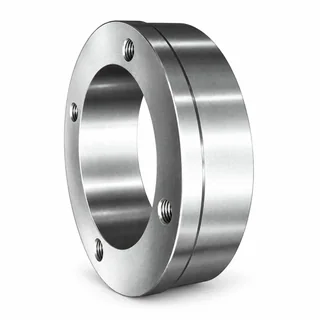
Dodge tapered bushings are fixing elements that allow mounting pulleys, sprockets and other components on shafts firmly and concentrically. The system is based on a split cone that is tightened by screws. They are used in transmissions of all types, from agricultural machinery to industrial equipment.
When choosing a bushing, you need to know the shaft diameter and the bore of the component to be mounted. Dodge bushings are identified with a code engraved on the face of the bushing. If you do not have the code, measure the bushing outside diameter, inside diameter and total length, and with that it can be identified.
A common mistake is to retighten the screws of a tapered bushing without respecting the recommended tightening torque, which can deform the cone or loosen the fixing. You must also verify that the shaft has no burrs or rust before mounting. At MR we sell Dodge tapered bushings and components, and we indicate the correct reference according to your measurements.
Dodge sprockets, gears and belts: the complete assembly
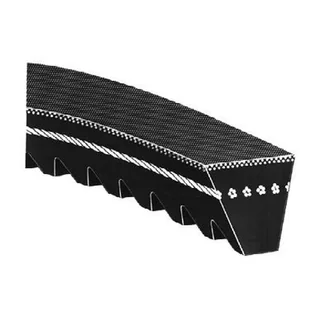
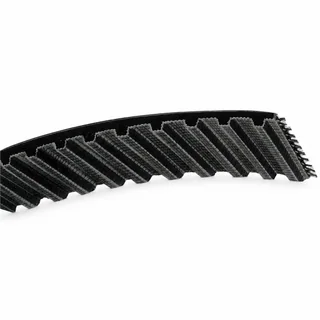
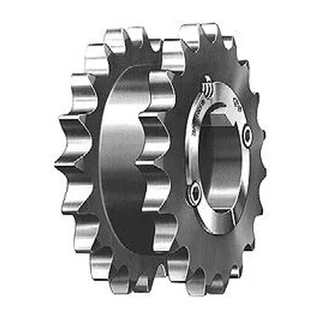
Dodge sprockets and gears are used in chain transmissions, while V-belts are used in friction transmissions. Sprocket selection depends on the chain pitch, the number of teeth and the hub type. Belts are chosen by profile (A, B, C, etc.) and pitch length.
To order a sprocket, it is essential to know the chain pitch (for example, 1/2 inch or 5/8 inch) and the number of teeth. If the sprocket is very worn, you can count the teeth and measure the outside diameter to estimate the pitch. For belts, the code printed on the back usually indicates the profile and length, but if it is erased you can measure the section and outside length.
A typical mistake is to mix sprockets and chains of different pitch, which causes accelerated wear and noise. You must also check the tension of the chain or belt: too tight overloads the bearings, and too loose generates jumps. We distribute Dodge sprockets, gears and belts, and quote you the complete assembly for your transmission.
Frequently asked questions
How do I identify a Dodge bearing if the code is not legible?
If the code is erased, measure the inside diameter, outside diameter and width. Also note if it has a rubber seal or metal cap and the type of shaft fixing. With that data at MR we help you identify the correct insert or housing.
What is the difference between a Y-bearing and a Y-housing with insert?
The Y-bearing is only the insert with the spherical outer ring. The Y-housing with insert includes the casing where that insert is housed, ready to fix to the structure. They are sold separately or as an assembly.
Can I use a Dodge pulley with belts from another brand?
Yes, as long as the belt profile matches the pulley groove. Standard profiles (A, B, C, 5V, 8V) are interchangeable between brands. Verify that the groove angle and width are correct.
How do I know which Dodge reducer I need for my machine?
You need to know the motor power, input speed and desired output speed. Also the type of load and daily working hours. With that data the service factor is calculated and the reducer size is chosen.
What data do I send to quote a Dodge tapered bushing?
Send the bushing code if you have it, or the measurements: inside diameter (shaft), outside diameter (component bore) and total length. A photo of the old bushing with a ruler next to it also helps.
Products with photos in the catalogue
Keep reading
- Dodge Housings: robust solutions for demanding industrial applications
Discover the SC, GT, D-Lok and SXR series of Dodge housings, how to read their code and in which applications they stand out. We help you choose the right housing for your equipment.
- How to Read Dodge Codes and Designations
Dodge codes follow a logic that combines product type, series, and size. We explain the structure so you can identify the correct part and get a quote without errors.
- Dodge by Industry: Where It's Used, How to Select It, Assembly and Maintenance for Long Life
We review the most common applications of Dodge products in Argentine industry and give you key tips for selection, assembly and maintenance to extend their service life.
Continue here
Need a quote?
Send us the code, size or a photo of the part and we'll quote you shortly.