
Product page
Timing belt SKF PHG 840-XH-200
- Manufacturer Part Number
- PHG 840-XH-200
- Brand
- SKFOfficial brand
- Category
- Power transmission
- Subcategory
- Timing belts

We respond promptly.
Request your quote via WhatsApp or email, with the quantity and time frame you need.
Can't find the exact model? Write to us with the part number or model you're looking for: we'll find it and quote it, even if it's not listed in the catalog.
Description
SKF PHG 840-XH-200 is a timing belt reference, within Power transmission. Request a quote for PHG 840-XH-200 via WhatsApp or email with the quantity you need; we respond promptly with lead time and equivalents.
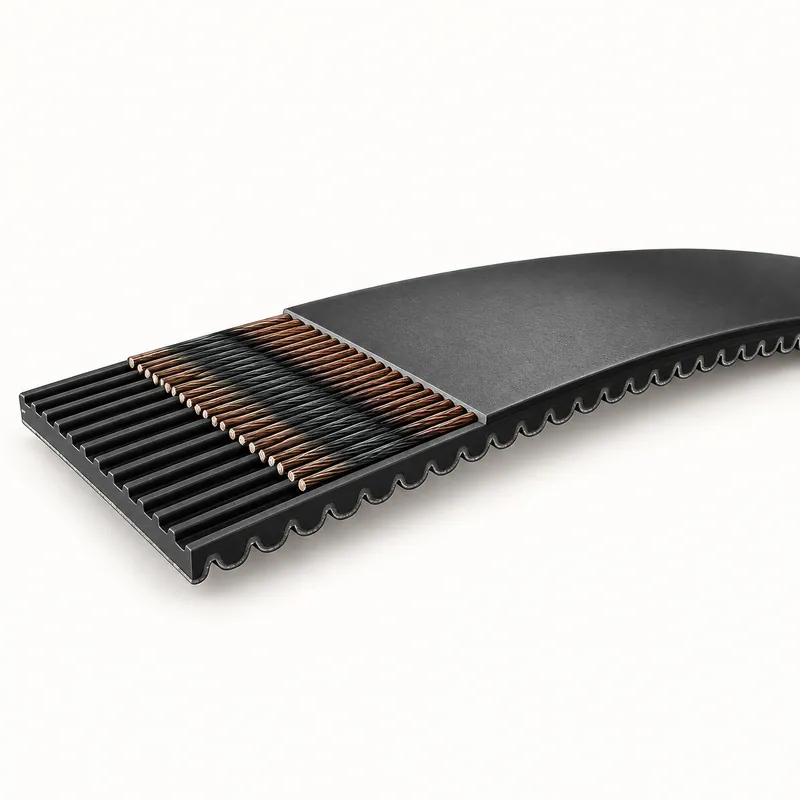
SKF PHG XH timing belts are power transmission elements with teeth that mesh with toothed pulleys, guaranteeing a constant transmission ratio without slipping. They are used in applications where synchronization between shafts is critical, such as machine tools, bottling equipment or positioning systems. MR Accesorios Industriales sells this SKF line, an official brand that MR sells, backed by more than 80 years in the industrial sector.
The designation of these belts follows a clear scheme: PHG identifies the high-performance line, the first number indicates the pitch length in tenths of an inch, XH defines the toothed profile (7/8 inch pitch) and the last number is the width in hundredths of an inch. For example, PHG 560-XH-200 has 560 tenths of an inch of pitch length and 2 inches of width. The examples PHG 700-XH-400 or PHG 980-XH-300 show how length and width combinations vary within the series.
These belts are used in industries such as food, textile, ceramic or metallurgical, in equipment that requires synchronism: positive displacement pumps, compressors, CNC machine spindles, precision conveyors and mixers. In Argentina, they are commonly found in packaging lines, cutting saws and woodworking machines. Their XH profile makes them suitable for transmitting high torques in reduced spaces, as long as the compatible pulley and adequate tension are respected.
To select correctly, check the number of teeth on the pulley, the required pitch length and the width that supports the load. Mounting requires precisely aligning the pulleys to avoid lateral wear and noise. Tension is adjusted according to the machine manufacturer's recommendations; excessive tension damages the bearings and insufficient tension causes tooth jumping. They are not lubricated and must be kept free of oil, dust or chips that accelerate wear.
Regarding equivalences, timing belts are identified by profile and pitch, so an XH belt from another brand with the same pitch length and width may be interchangeable, but always check the dimensional tolerances and construction. Not all brands maintain exactly the same dimensions, so it is advisable to compare the complete designation. MR Accesorios Industriales can advise you on compatibility with your current equipment.
If you need to replace an SKF PHG XH timing belt, send us the complete code by WhatsApp. At MR Accesorios Industriales we help you identify the exact size and quote the option that best suits your transmission.
This description provides guidance on the product type. Check the configuration and dimensions of this reference.
Dimensions
- Perfil
- XH
Frequently Asked Questions
- What does the code PHG 560-XH-200 mean?
- PHG indicates the high-performance line, 560 is the pitch length in tenths of an inch, XH corresponds to the toothed profile with 7/8 inch pitch and 200 is the width in hundredths of an inch (2 inches). With this data you can verify compatibility with your pulley.
- Can they be used on pulleys from other brands?
- Yes, as long as the profile and pitch match. Standardized timing belts allow interchange between manufacturers, but it is advisable to check the tolerances and the condition of the pulley. Consult us with the belt and pulley code for advice.
- How are these belts maintained?
- They do not require lubrication. It is recommended to keep them clean, free of oil and dust, and periodically check the tension and alignment of the pulleys. Excessive tension accelerates bearing wear; low tension can cause tooth jumping.