
Blog
Link-Belt in agriculture: components for combine harvesters, seeders, norias and storage plants
In this guide we review the most used Link-Belt components in agriculture: Y bearings, spherical roller bearings, cylindrical roller bearings and housings. We tell you how to identify them and what data to send to quote them.
LINK-BELT catalog by part number
Technical team at MR Accesorios Industriales · Updated on November 6, 2026
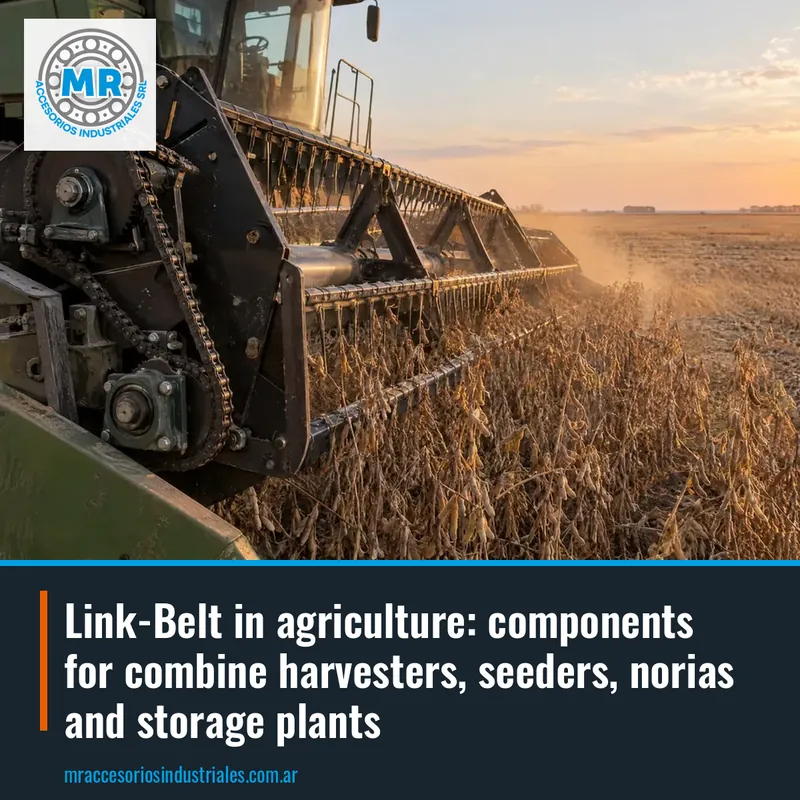
Link-Belt Y bearings (inserts) for agricultural machinery
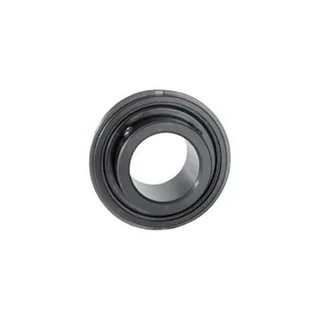
Link-Belt Y bearings, also called inserts, are the first option on shafts of combine harvesters, seeders and hauling equipment. They are mounted in pillow block or take-up housings and allow simple alignment in welded structures. Their design with spherical outer ring compensates for small shaft misalignments, something very common in machines working on uneven ground. In agriculture they are seen in augers, rollers, blades and belt drive systems.
To identify them, look at the engraving on the side face of the outer ring. The most requested codes are ER20, ER22 and ER40, which correspond to different shaft diameters. It is also advisable to measure the inner and outer diameter, and check whether the insert has set screws or eccentric locking collar. With that data, the MR team quotes you the exact replacement.
A frequent mistake is to ask only by shaft size and forget the locking type. Another is to confuse the seal: some inserts have a simple seal and others a double lip for dusty environments. If the machine works dry, with dirt or stubble, it is advisable to specify it. Send a photo of the old bearing and the engraved code: this way you avoid delays.
Link-Belt spherical roller bearings for noria and auger shafts
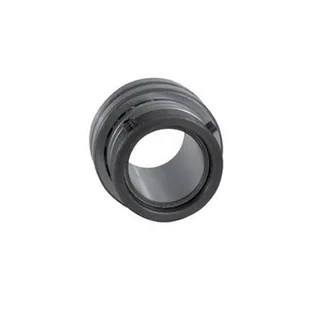
Link-Belt spherical roller bearings support combined radial and axial loads, and tolerate significant misalignments. In agriculture they are used in noria pulleys, auger heads, extractors and fans of storage plants. Their design of two rows of rollers with spherical raceway makes them robust for long or flexing shafts. They are a reliable solution when the assembly is not perfectly aligned.
On the part, the code is usually engraved on the front face of the outer ring. Common examples in agriculture are B635L, B419L and B455L. In addition to the code, note the inner diameter, outer diameter and width. If the bearing is very damaged and the code cannot be read, measure with a caliper and send the three dimensions: MR helps you identify it.
A common mistake is to replace a spherical roller bearing with a rigid ball bearing to save money. That ends in premature failures due to misalignment or overload. Another mistake is not checking the internal clearance: for applications with thermal expansion, a larger clearance such as C3 is advisable. Always consult with the technical team before changing the type.
Link-Belt cylindrical roller bearings in agricultural transmissions
Link-Belt cylindrical roller bearings are used in gearboxes, reducers and high-load transmissions. In agriculture they appear in power take-offs, thresher rotors and grinding systems. They support high radial loads and allow axial displacement in one direction, depending on the design.
To order them, you need the complete code engraved on the bearing, or at least the measurements: inner diameter, outer diameter, width and cage type. At MR we quote you the exact reference.
A frequent mistake is to mount a cylindrical roller bearing without respecting the mounting direction when it has flanges on one side only. Another is not controlling the fit on the shaft or in the housing: a loose fit causes slipping and wear. If you have doubts, send a photo of the assembly and the part code: we guide you.
Link-Belt housings for bearings in agricultural equipment
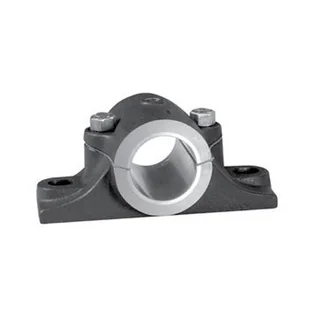
Link-Belt housings are the base where bearings are housed in machine structures. In agriculture they are used in combine harvester frames, irrigation carts, mixers and conveyors. There are pillow block, flange, take-up and cartridge housings, each for a different mounting type. The correct choice ensures the bearing's service life and shaft stability.
To identify them, look at the reference engraved on the housing body. Each housing has its own reference, which is the one you need to send us. It is also advisable to measure the distance between centers of the mounting holes and the housing diameter. With that data, at MR we quote you the compatible housing.
A common mistake is to reuse a damaged or worn housing: that causes vibrations and premature failure of the new bearing. Another mistake is not verifying the alignment between housings when mounting a long shaft. If the original housing is very deteriorated, send photos and measurements: we indicate the appropriate replacement.
Link-Belt Y housings with insert bearing: the complete unit
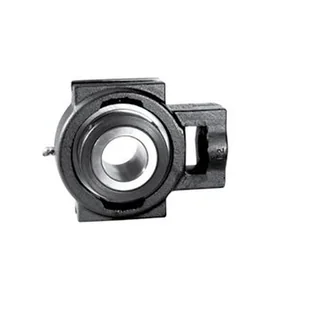
Link-Belt Y housings with insert bearing combine the housing and the insert in a single unit ready to mount. They are widely used in agriculture for their practicality: they are fixed to the frame and the shaft is ready to rotate. They are seen in augers, norias, conveyor belts and grain cleaning equipment. They reduce assembly time and simplify maintenance.
The unit reference is usually engraved on the housing or on the insert. Typical examples are TU320, TU322 and TU323. To quote, indicate the complete code and, if possible, the shaft diameter. A photo of the mounted unit also helps to see the locking type and orientation.
A frequent mistake is to order only the insert when the housing is also damaged. Another is not lubricating the unit at first start-up: many inserts come with factory lubrication, but it is advisable to verify. If you are not sure about the lubrication type, consult with MR: we guide you on maintenance.
How to identify and order Link-Belt components in agriculture
To order any Link-Belt component, the first thing is to look for the code engraved on the part. It can be on the side face, on the edge or on the housing body. If the code is blurry, measure the main dimensions with a caliper: inner diameter, outer diameter, width and distance between holes. A clear photo of the part and of the place where it is mounted helps a lot.
In agriculture, many machines work with dust, humidity and vibrations. That is why it is advisable to specify the working conditions when quoting: whether there is water, dirt, stubble or high temperatures. That allows choosing the appropriate seal and lubricant. At MR we sell Link-Belt components and advise you on the choice.
A common mistake is to send only the shaft size and expect the replacement to be unique. There are several options for locking, seal and internal clearance. Another mistake is not checking the condition of the housing: if it is ovalized or worn, the new bearing will fail quickly. Send all the data you have and we will quote you as soon as possible.
Maintenance and replacement of Link-Belt components in the field
Preventive maintenance of Link-Belt bearings and housings extends the life of agricultural machinery. Periodically check lubrication, set screw tightness and seal condition. In combine harvesters and seeders, a failure in the middle of the season costs time and money. That is why it is advisable to have critical spare parts identified.
When replacing, clean the housing and shaft well before mounting the new component. Use appropriate tools to avoid damaging the seals or raceways. If the bearing fits very tight, heat it evenly or use a mounting tool. Never hit directly on the outer ring or the rollers.
A common mistake is to wait until the bearing makes noise to change it. Vibration and temperature increase are early signs. If you notice play in the shaft or grease loss, check the component. If in doubt, send a photo or the code to MR: we quote you the replacement and guide you on mounting.
Frequently asked questions
What Link-Belt bearings are used in combine harvesters?
In combine harvesters, mainly Y bearings (inserts) such as ER20, ER22 and ER40 are used, mounted in pillow block or take-up housings. Spherical roller bearings are also used in pulleys and augers, and cylindrical roller bearings in transmission boxes. To order them, send the engraved code or the measurements.
How do I identify a Link-Belt bearing if the code cannot be read?
If the code is blurry, measure the inner diameter, outer diameter and width with a caliper. Also note the locking type (set screws, eccentric) and the seal type. With that data and a photo, at MR we help you identify the exact Link-Belt replacement.
What Link-Belt housings are used in norias and augers?
In norias and augers, pillow block and take-up housings are used, often with insert bearing. Examples of complete units are TU320, TU322 and TU323. Send the housing code or the mounting measurements to quote.
Can I replace a Link-Belt spherical roller bearing with a rigid one?
It is not recommended. Spherical roller bearings support misalignments and combined loads that a rigid one does not tolerate. If you change the type, you can cause premature failures. Consult with the MR technical team before modifying the original design of your equipment.
How do I order a Link-Belt component for agriculture?
Send by WhatsApp or email the code engraved on the part, the main measurements and a photo. If it is a housing, indicate the distance between holes. With that data, at MR we quote you the Link-Belt component as soon as possible.
Products with photos in the catalogue
Keep reading
- Link-Belt Split Housings: Efficient Solutions for Demanding Industrial Applications
Discover the Link-Belt line of split housings and mounted bearings, designed to withstand heavy loads and adverse conditions in Argentine industry. We quote the exact model you need.
- How to read Link-Belt codes: designation structure, prefixes, suffixes and real examples
Practical guide to interpreting the nomenclature of Link-Belt housings and bearings. Understand what each part of the code indicates and get a quote for the correct part.
- Link-Belt by industry: where it is used, how to select it, mounting and maintenance to make it last
We tell you in which industries Link-Belt housings and bearings are used, how to choose the correct model and what mounting and maintenance care extends their service life.
Continue here
Need a LINK-BELT quote?
Send us the LINK-BELT part number, the size or a photo of the part and we will get back to you with a quote.