
Blog
Frequent failures in RINGSPANN components: how to recognize and prevent them
RINGSPANN shaft-hub connections, couplings, freewheels and torque limiters can fail due to incorrect assembly, overload or lack of maintenance. We explain how to detect symptoms in time and what to do to avoid them.
RINGSPANN catalog by part number
Technical team at MR Accesorios Industriales · Updated on October 22, 2026
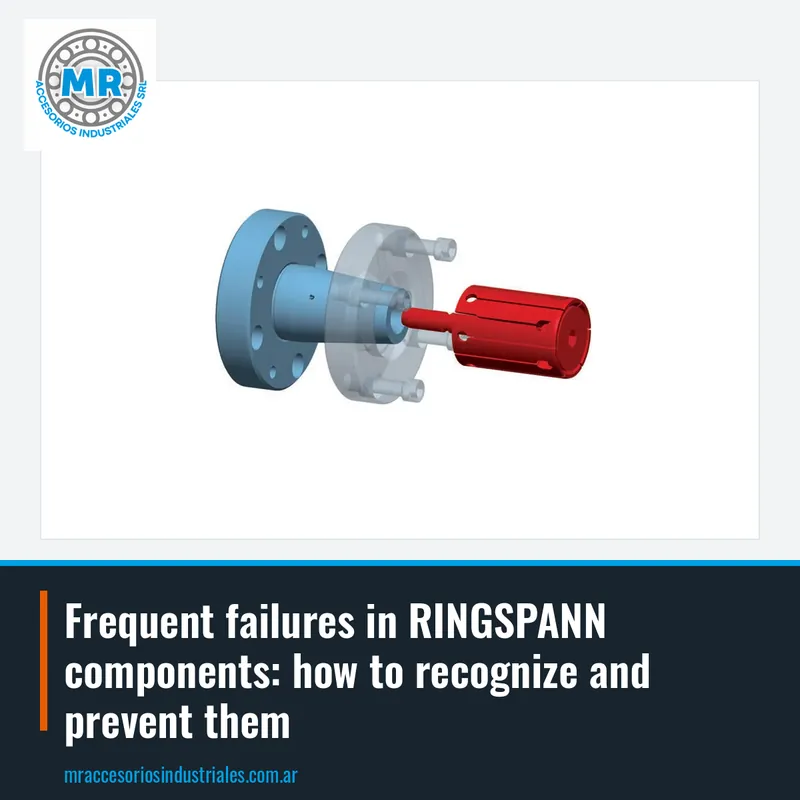
Shaft-hub connections: slipping and loosening
RINGSPANN shaft-hub connections, such as those of the 1051 series, transmit torque by friction between the shaft and the hub. If the screw tightening torque is lower than specified, the connection slips and sliding occurs. This sliding generates heat, wear and, in extreme cases, seizure of the surfaces. Therefore, it is essential to respect the tightening torque from the catalog and tighten the screws in a cross pattern and in several passes.
Another frequent problem is progressive loosening due to vibrations. In machines with sudden starts and stops, the screws can lose preload over time. If you notice that the equipment loses precision or metallic noises appear, check the tightening of the connection. Periodic retightening according to the maintenance plan avoids unexpected downtime.
To prevent failures, verify that the shaft and hub are clean and free of burrs before assembly. Any dirt or imperfection reduces the friction coefficient. Also, follow the catalog's lubrication instructions for the contact surfaces to the letter. If you need spare parts, request a quote for codes such as 1051-018001 or 1051-036001 with your shaft dimensions.
Couplings: misalignment and elastomer wear
RINGSPANN couplings, such as the SKDZ or RDA models, absorb misalignments and vibrations. A typical failure is premature wear of the elastic element due to excessive misalignment. If the coupling operates with angles or displacements greater than allowed, the elastomer overheats and cracks. Check the alignment with a straightedge and feeler gauge, and correct it before installing a new coupling.
Another failure symptom is the breakage of the fastening screws or loosening of the hubs. This usually occurs when the coupling is oversized or undersized for the application torque. A very rigid coupling transmits shocks and vibrations to the bearings, shortening their service life. Choose the correct size according to the peak torque and not just the nominal torque.
To prevent failures, periodically check the condition of the elastomer: look for cracks, deformations or hardening. If the element is worn, replace it before it breaks completely. Also verify that the hubs are properly fitted to the shaft and that there is no radial play. Request a quote for couplings such as SKDZ 10 or RDA 0042 ESO with your application data.
Freewheels: blocking and loss of drive
RINGSPANN freewheels, such as the FN and FB series, allow free rotation in one direction and transmit torque in the other. A common failure is total blocking due to ingress of dirt or lack of lubrication. If the freewheel does not rotate freely or jams, it may be due to abrasive particles in the rollers. Disassemble, clean and lubricate with the product recommended by the manufacturer.
Another failure is loss of drive: the freewheel slips and does not transmit torque. This can occur due to wear of the ramps or rollers, or repeated overload. If the equipment loses speed or does not start, check the internal condition.
To prevent failures, respect the direction of rotation indicated on the freewheel body. An inverted assembly damages the mechanism. Also check axial and radial play: excessive play indicates wear. If you need spare parts, request a quote for codes such as FN 8 or FB 72 with the shaft diameter and required torque.
Precision clamping systems: loss of concentricity
RINGSPANN precision clamping systems, such as the BKDF and BKDI, secure parts to the shaft with accuracy. A frequent failure is loss of concentricity due to off-center assembly. If the part does not seat properly on the cone, vibrations and irregular wear are generated. Verify that the conical surfaces are clean and undamaged before tightening.
Another problem is loosening due to shocks or load reversals. In applications with frequent reversals, the screws can lose preload. Retighten according to the manual and use chemical locking agents if the manufacturer allows. A loose clamping system causes micro-slip that damages the shaft.
To prevent failures, check the tightening torque with a calibrated torque wrench. Excessive tightening deforms the cone and reduces precision; insufficient tightening does not secure the part. Also check the condition of the screws: if they are stretched or have damaged heads, replace them. Request a quote for systems such as BKDF 6 or BKDI 6 with the shaft and hub diameters.
Torque limiters: unexpected trips
RINGSPANN torque limiters, such as the PA series, protect the transmission against overloads. A typical failure is unexpected tripping: the limiter disengages without a real overload. This may be due to incorrect setting of the trip torque or wear of the friction discs. Check the calibration and adjust according to the application torque.
Another problem is failure to trip: the limiter does not protect because it is blocked or poorly adjusted. If the trip torque is too high, the machine can suffer serious damage during an overload. Verify that the mechanism moves freely and that there is no corrosion. Lubricate only the indicated parts, never the friction discs.
To prevent failures, perform periodic trip tests: simulate a controlled overload and verify that the limiter disengages. If it does not respond, disassemble and clean. Also check the condition of the springs and discs: if worn, replace them. Request a quote for limiters such as PA 20 or PA 30 with the desired trip torque.
Remote control systems and cardan shafts: failures due to lack of lubrication
RINGSPANN remote control systems allow mechanisms to be operated remotely. A common failure is that the actuation becomes stiff or imprecise due to lack of lubrication or friction along the path. Check the routing and lubricate according to the manufacturer's instructions. Avoid very tight bends.
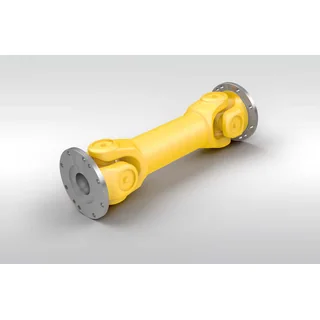
RINGSPANN cardan shafts transmit torque between misaligned shafts. A frequent problem is wear of the universal joints due to lack of greasing. If noises or vibrations appear, grease the universal joints with good quality grease. An unlubricated cardan shaft wears out quickly.
To prevent failures, establish a lubrication plan according to operating hours. In dirty or humid environments, increase the frequency. Also check play in the joints: excessive play indicates wear. If you need spare parts, consult us with the equipment reference or shaft dimensions.
Industrial brakes: pad wear and incorrect adjustment
RINGSPANN industrial brakes are used to stop or hold loads in position. A typical failure is excessive pad wear due to incorrect air gap adjustment. If the brake does not release completely, the pads rub and wear quickly. Adjust the air gap according to the manual and verify that the brake opens fully.
Another problem is loss of braking force due to contamination of the pads with oil or grease. If the brake does not stop the load, check for lubricant leaks nearby. Clean or replace contaminated pads. Never use solvents that leave residues.
To prevent failures, periodically check the pad thickness and replace them before the minimum allowed. Verify the operation of the manual and electrical release system. A well-maintained brake prevents accidents and emergency stops. Request a quote for RINGSPANN brakes with the braking torque and drum or disc diameter.
Frequently asked questions
How do I know if a RINGSPANN shaft-hub connection is failing?
The most common symptoms are slipping, metallic noises, abnormal heating or loss of precision. If you notice any, check the screw tightening torque and the condition of the contact surfaces.
What causes premature elastomer wear in a RINGSPANN coupling?
The main cause is excessive misalignment between the shafts. It can also be due to overload or temperatures outside the permissible range. Check the alignment and the application torque.
Why does a RINGSPANN freewheel block?
Blocking usually occurs due to ingress of dirt, lack of lubrication or inverted assembly. Disassemble, clean and lubricate with the recommended product. If the damage is severe, replace the freewheel.
How often should I lubricate a RINGSPANN cardan shaft?
It depends on the working conditions. Follow the interval indicated by the manufacturer and increase the frequency in dirty or humid environments. Use good quality grease for universal joints.
How do I avoid unexpected trips in a RINGSPANN torque limiter?
Calibrate the trip torque according to the actual application torque. Verify that the friction discs are clean and not worn. Perform periodic trip tests to ensure correct operation.
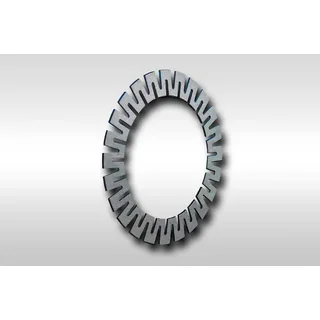
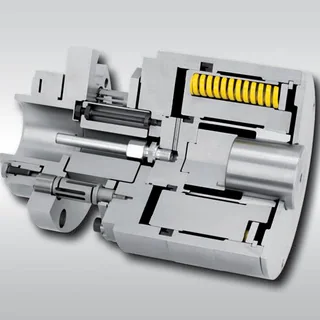
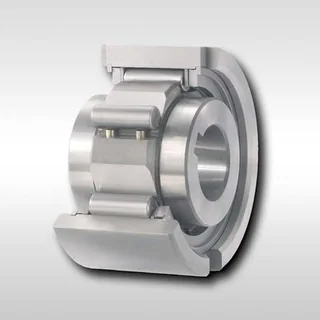
Products with photos in the catalogue
Keep reading
- How to read RINGSPANN codes: designation structure, prefixes, suffixes and real examples
Practical guide to understanding RINGSPANN product nomenclature: what prefixes, numeric series and suffixes mean in shaft-hub connections, couplings, freewheels and more.
- RINGSPANN by industry: where it is used, how to select it, assembly and maintenance to make it last
RINGSPANN is synonymous with precision and reliability in power transmission. Learn about its applications by industry, how to choose the right component and the best assembly and maintenance practices to maximize its service life.
- How to Choose RINGSPANN by Application: Load, Speed, Environment and Mounting
Practical guide to select RINGSPANN power transmission components based on real working conditions, with example codes and mounting criteria.
Continue here
Need a quote?
Send us the code, size or a photo of the part and we'll quote you shortly.